Emergency Guides
Ice Dam Emergency: What to Do When Water Backs Up Under Shingles
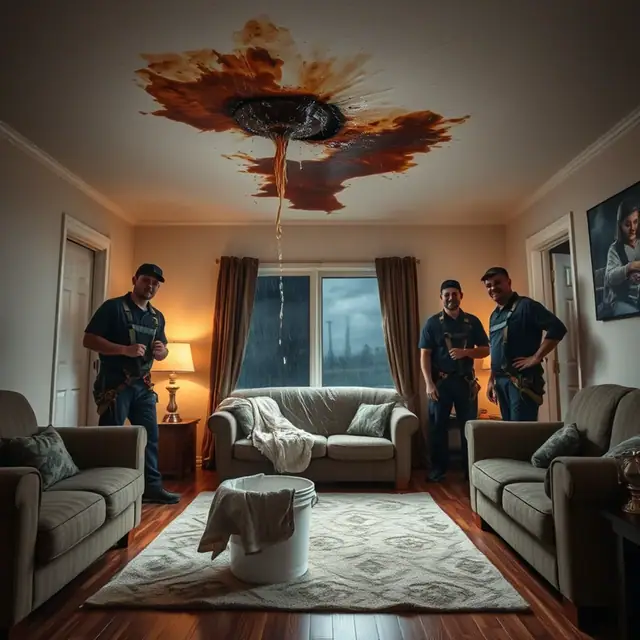
Ice dam water does not usually come through the ceiling. It comes down inside the wall, which is why people find it late. Here is what to do tonight.
The short answer
Contain the water inside, cut power to any wet area, and clear snow from the lower few feet of roof with a roof rake from the ground. Do not chip at the ice, do not throw salt on the roof, and do not climb up. Then call for low-pressure steam removal.
January in Harrisburg is ice dam season, and the calls follow a pattern. Heavy snow, then a few days hovering around freezing, then a thaw — and suddenly there is a wet patch at the top of an upstairs exterior wall that was not there yesterday.
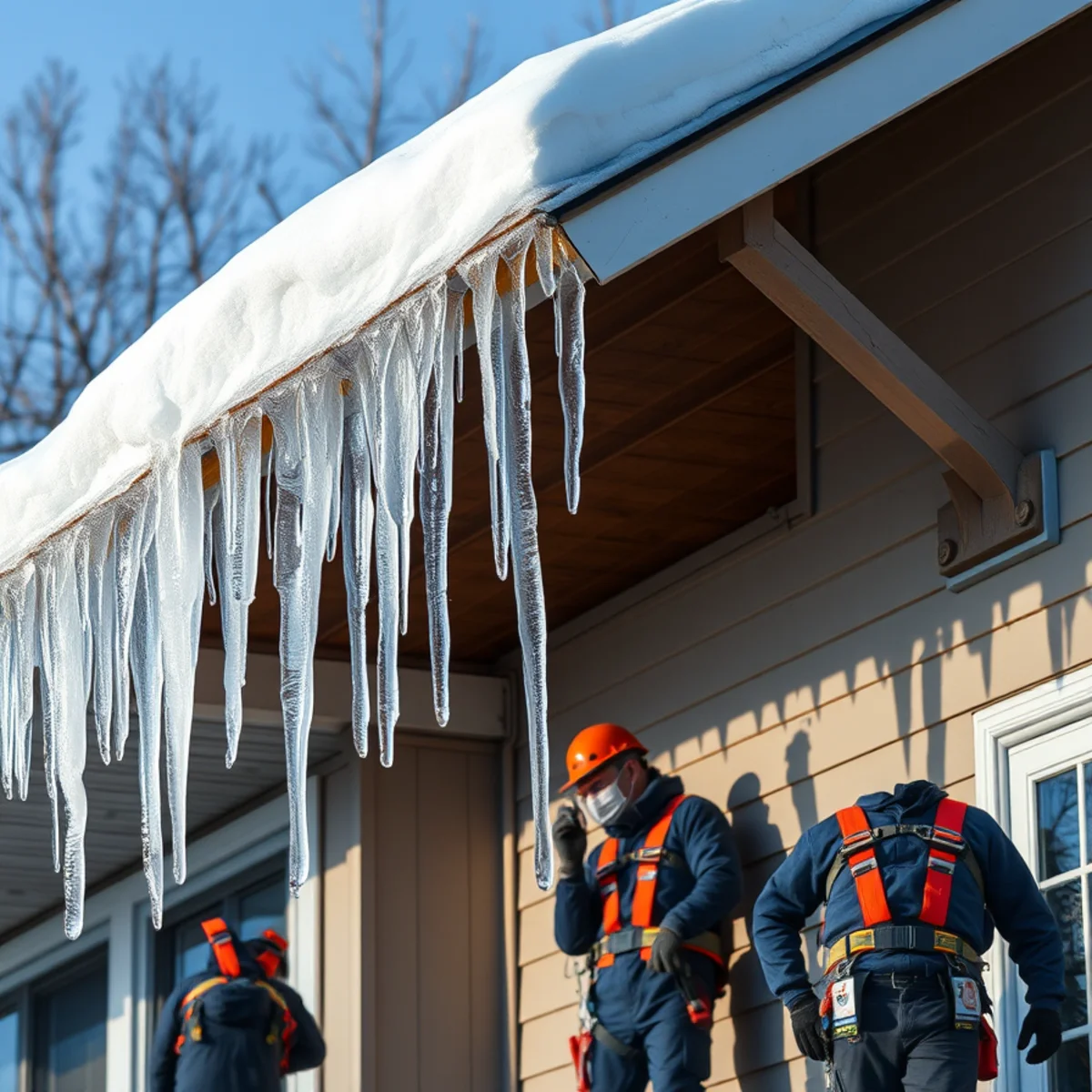
The mechanism is simple. Heat escaping from the house warms the roof deck. Snow on the warm upper roof melts. The meltwater runs down to the eave, which overhangs unheated space and stays cold, and refreezes there. Repeat for a few days and there is a ridge of ice at the roof edge with a pond of water behind it that has nowhere to drain except sideways, under the shingles, into the house.
Here is what to do about it right now.
Tonight: contain the water and stop making it worse
Find where it is actually coming in
Ice dam water often runs down inside the wall cavity rather than dripping through a ceiling, which is why people discover it as a stain at the top of an exterior wall or as damp baseboard. Check the attic with a flashlight for wet sheathing at the eave.
Contain and protect
Buckets, towels, plastic over furniture. If a ceiling is bulging, relieve it deliberately with one small hole at the low point.
Cut power to wet areas
Wall cavities carry wiring. If water is running inside a wall near outlets or switches, shut the circuit off.
Rake snow off the lower roof — from the ground
A roof rake used from the ground to clear the lower three or four feet of roof removes the fuel supply for the dam. This is genuinely effective and it is the only self-help step we recommend.
Cool the attic, carefully
If you have an attic hatch that has been leaking heat, sealing it helps. If bathroom fans vent into the attic rather than outside, turn them off until that is fixed.
What never to do
- Never chip at ice with a hammer, chisel, hatchet or shovel. You will crack shingles and gouge the deck, and you will be doing it while standing on ice
- Never pressure wash a dam. High-pressure water drives under the shingle courses, which is the exact problem you are trying to stop
- Never throw rock salt or calcium chloride on the roof. It corrodes flashing, gutters and fasteners, kills plantings below, stains masonry, and does not clear a dam of any real size
- Never use a torch or heat gun anywhere near a roof assembly. This is how house fires start, and it happens every winter somewhere in this state
- Never climb onto a snow-covered pitched roof. No exceptions and no reason worth it
How professional removal works
Low-pressure steam, and effectively nothing else.
A steamer melts the ice at its contact point with the shingle and lets the mass release without touching the roof surface. It is slow — a large dam is most of a day — and it is not cheap, and it is the only method that does not damage the roof you are trying to protect.
The technician cuts relief channels through the dam first so the standing water behind it can drain immediately, which stops the leak before the full removal is finished. Then the gutters and downspouts get cleared, because a frozen gutter simply rebuilds the dam at the next melt.
That is our ice dam removal service, and during a cold snap we run it as an emergency dispatch.
Is it covered by insurance?
Usually, at least partly. Most homeowners policies cover sudden water damage caused by an ice dam — the ruined drywall, insulation, flooring and contents. What they generally do not cover is the underlying cause, so the insulation and ventilation work that prevents recurrence is typically on you.
Removal cost sits in the middle and depends on the policy and the adjuster. Document it either way: photographs of the dam, the icicles, the interior damage, and an itemized invoice.
We go through this in more detail in is ice dam damage covered by homeowners insurance?.
Stopping it from happening again
Ice dams are a building science problem showing up as a roofing symptom, and the permanent fix has three parts in this order.
Air sealing first, because it matters most: sealing every place warm air escapes into the attic — recessed light housings, bath fan ducts, plumbing stacks, the attic hatch, wiring penetrations and the top plates of interior walls.
Insulation second, brought to consistent depth with baffles at the eaves so it does not block intake airflow.
Ventilation third: intake at the soffit and exhaust at the ridge, roughly balanced, so the attic runs close to outdoor temperature and the roof deck stays cold.
Do those three and the snow on your roof stops melting from underneath. The full prevention guide is in how to prevent ice dams before winter hits Harrisburg.
What to do next
The ice on your roof tonight and the reason it formed are two separate problems, and they need two separate fixes. Steam clears the dam without damaging the shingles. Air sealing, insulation and ventilation stop your house making another one next winter.
If water is coming in now, call — winter emergencies are real emergencies and we run steam removal as an emergency dispatch. Then book the attic assessment for spring. See ice dam removal and repair.
Questions we get about this
Why is water coming in when it is below freezing outside?
Because the water is not falling on your roof, it is sitting on it. Heat escaping into your attic melts the snowpack from underneath, the meltwater runs to the cold eave and refreezes into a ridge, and the pond behind that ridge works back up under the shingle courses.
Can I use salt or ice-melt tablets on the roof?
No. Rock salt and calcium chloride corrode flashing, fasteners and gutters, kill the plantings below and stain masonry — and on a dam of any real size they do not clear it. Steam is the only method that removes the ice without damaging the roof.
My neighbour has no ice dams and I do. Why?
Almost always insulation and air sealing rather than the roof itself. Two identical houses on the same street behave completely differently depending on whether someone has sealed the attic hatch, the recessed lights and the bath fan ducts.
Need help with this in Harrisburg?
We are a licensed and insured roofing contractor based at 1000 N Cameron St in Harrisburg. Free inspections, written reports and honest recommendations.
Related services
Areas mentioned