Emergency Guides
Roof Leaking During a Storm? 7 Steps to Limit the Damage
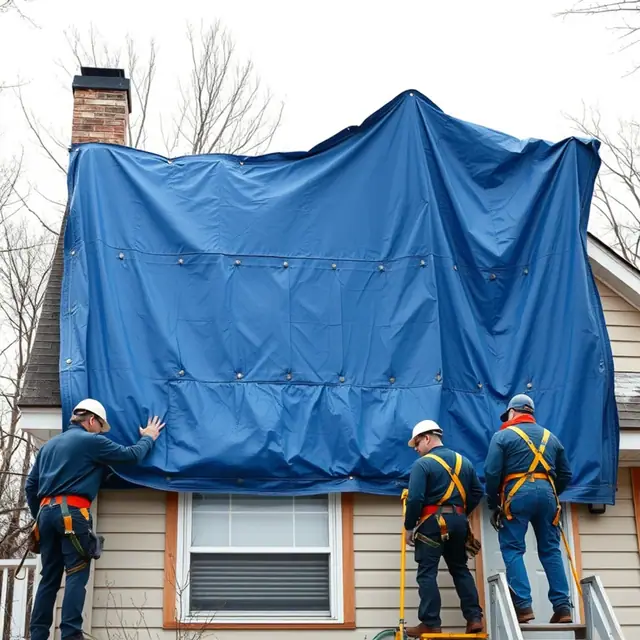
Water is coming through the ceiling and it is still raining. Do these seven things in this order — including the one counterintuitive step most people get wrong.
The short answer
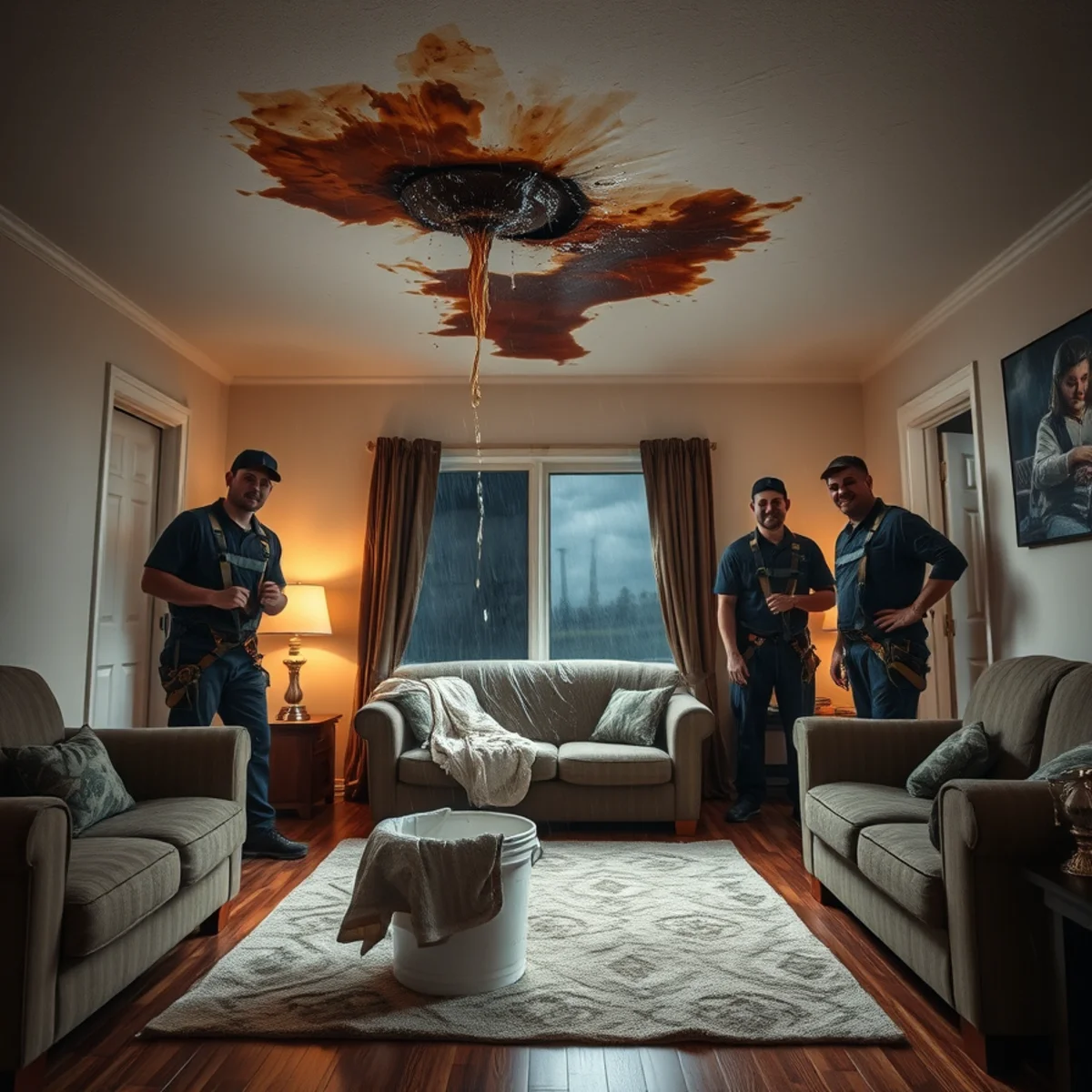
Move people and valuables out, cut power to the room if water is near any fixture, then deliberately punch one small hole at the low point of a bulging ceiling so it drains in a controlled stream. Contain the water, photograph everything while it is happening, and call for emergency response.
If water is coming through your ceiling right now, stop reading in a minute and start doing. This is the short version: move what matters, kill the power, relieve the bulge, contain the water, photograph it, then call.
The longer version is below, in order, with the reasoning. It takes about four minutes to read and it will save you considerably more than that in drywall.
1. Move people, pets and valuables out of the room
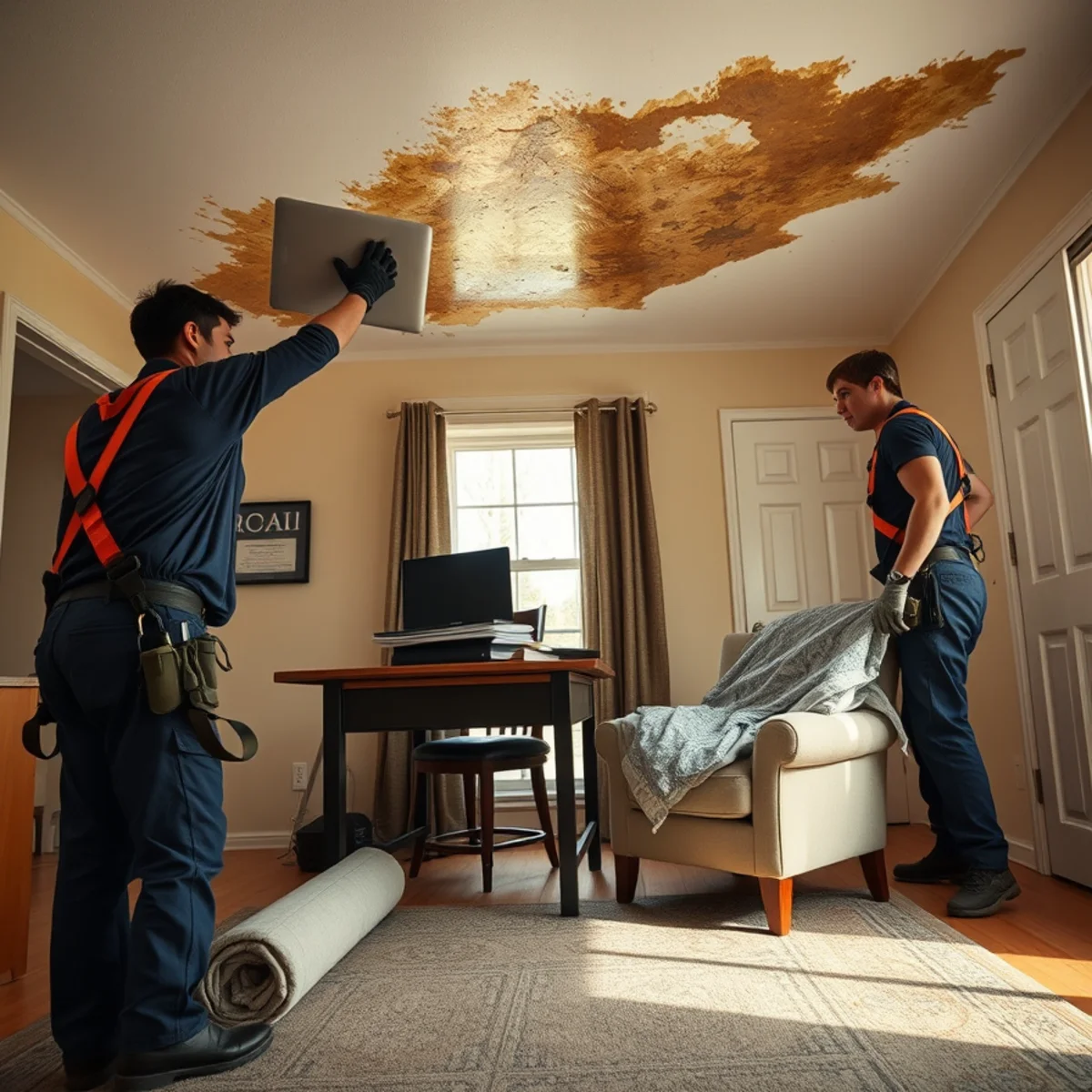
Electronics, documents, rugs and furniture first. Anything that cannot be replaced comes out before anything that can.
If the ceiling is visibly bulging or sagging, treat the room as unsafe and keep everyone out of it entirely until step three is done.
2. Cut power to the affected area
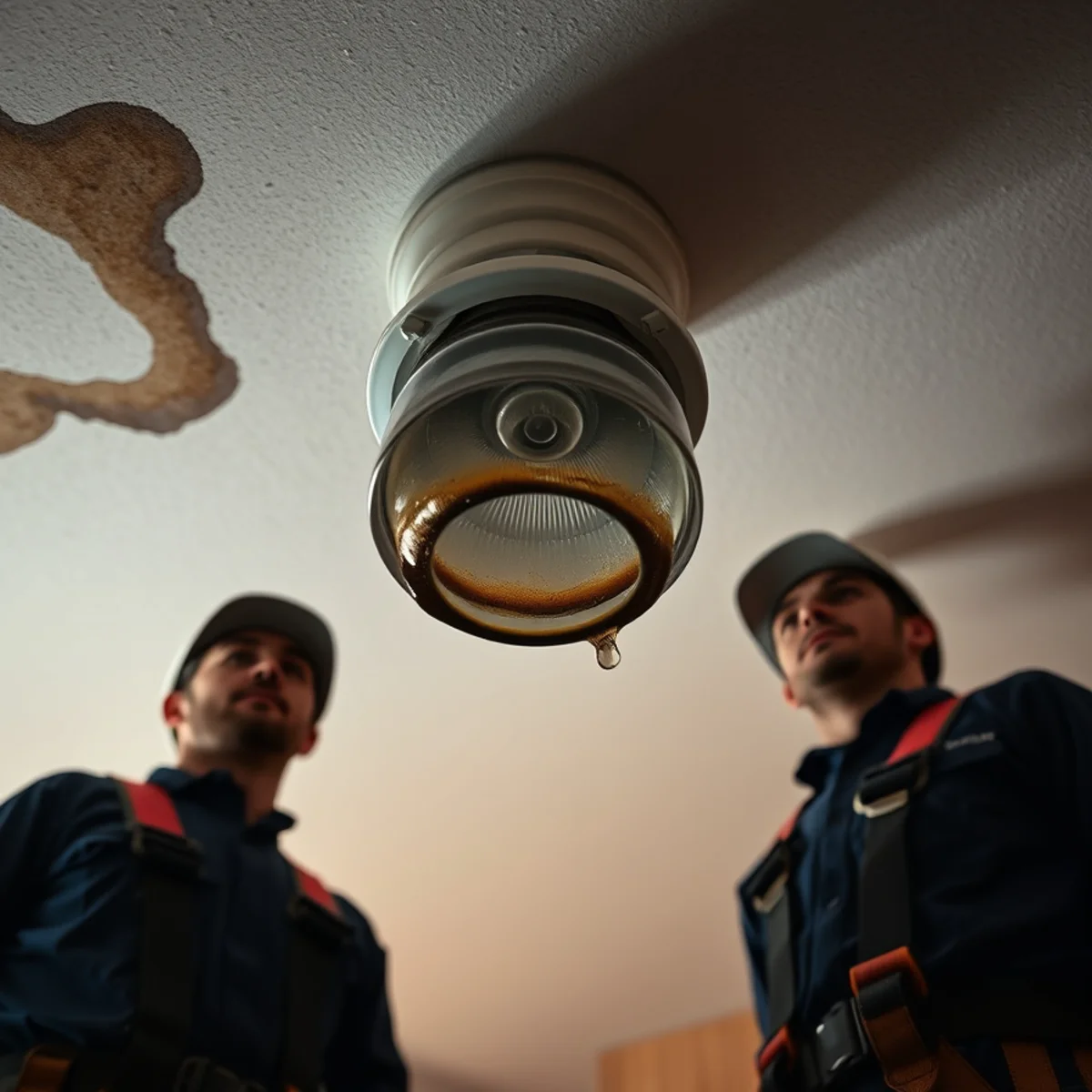
Water travelling along ceiling joists finds junction boxes, recessed light housings and ceiling fan boxes. If water is anywhere near a fixture, shut off the breakers for that part of the house at the panel.
Do not use a ceiling fan or light in a room with an active leak to 'see better'. Use a flashlight.
3. Relieve a bulging ceiling deliberately

This is the counterintuitive one, and it is the single most valuable thing in this article.
A bulging ceiling is holding pooled water. If you leave it, the drywall eventually gives way across a wide area, dumping everything at once and destroying a whole ceiling plane. If you deliberately punch one small hole at the lowest point of the bulge with a screwdriver and put a bucket underneath, the water drains in a controlled stream through a hole you can patch with a few dollars of compound.
You are choosing a small repair over a large one. Do it.
4. Contain and channel the water

- Buckets and bins under every drip, with a towel in the bottom to stop the splash
- Plastic sheeting or a shower curtain over furniture that cannot be moved
- Towels along the perimeter of the affected floor to stop water spreading to adjacent rooms
- A string tied to the drip and run into a bucket — it channels a slow drip silently and stops the splatter radius
- Empty the buckets before they overflow. Set a timer if the leak is fast
5. Check the attic if it is safe to do so
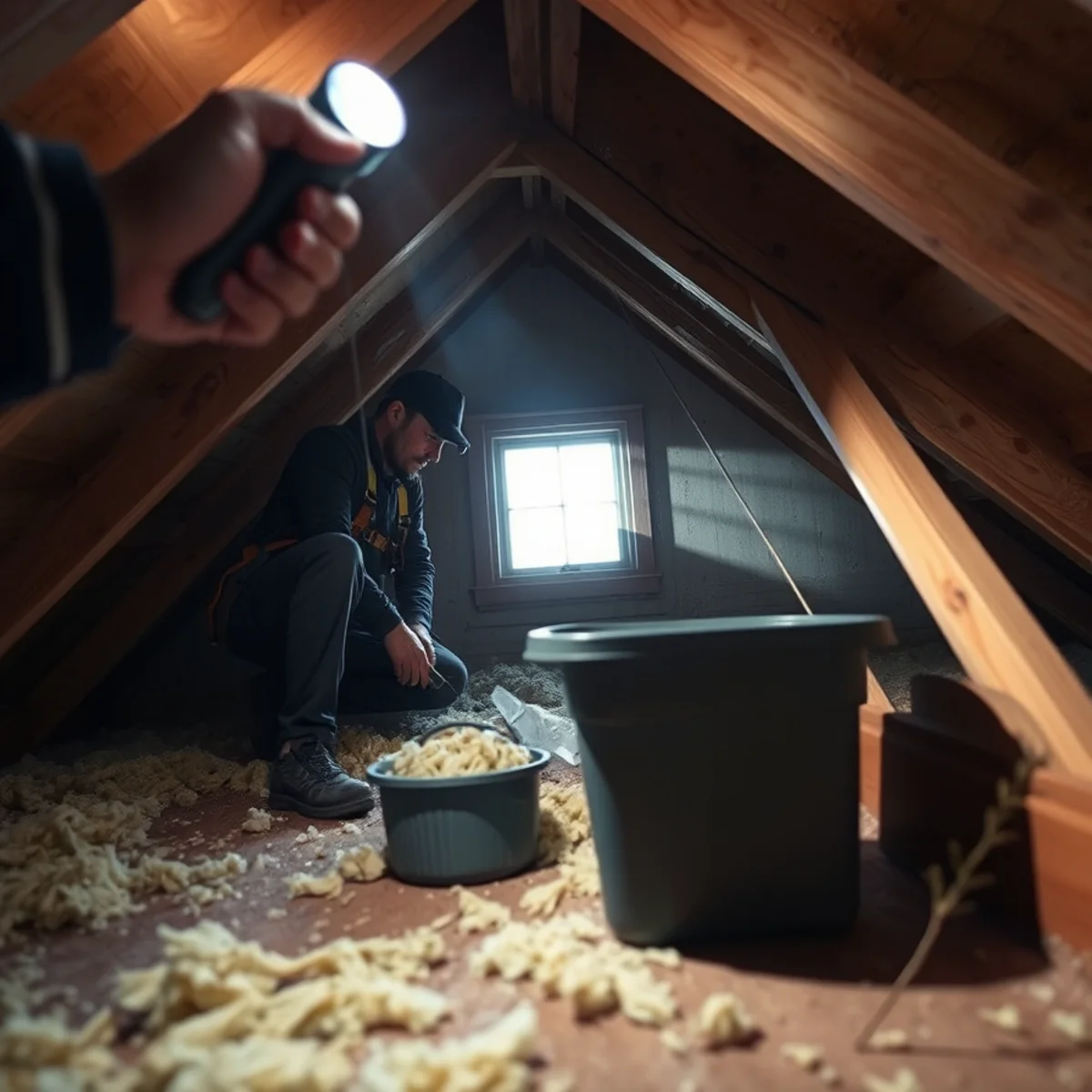
If you have safe attic access, take a flashlight and look. You are trying to find where water is entering the roof deck, which is frequently several feet uphill of where it is dripping into the room.
Mark the wet area of the sheathing so a roofer can find it, and put a bucket or a bin up there under the drip if you can do it safely. Catching water at the attic level keeps it out of your insulation, and wet insulation loses most of its R-value and takes weeks to dry.
Do not walk between joists on unfloored attic space. Step on the framing only.
6. Photograph everything while it is happening

Video of water actively coming through the ceiling during a specific storm is the strongest evidence there is. It timestamps itself and it establishes causation, which is the thing insurers actually assess.
Photograph the ceiling, the walls, the floor, the contents, the buckets, and the attic if you got up there. Do it before you clean anything.
7. Call a roofer — and know what you are asking for
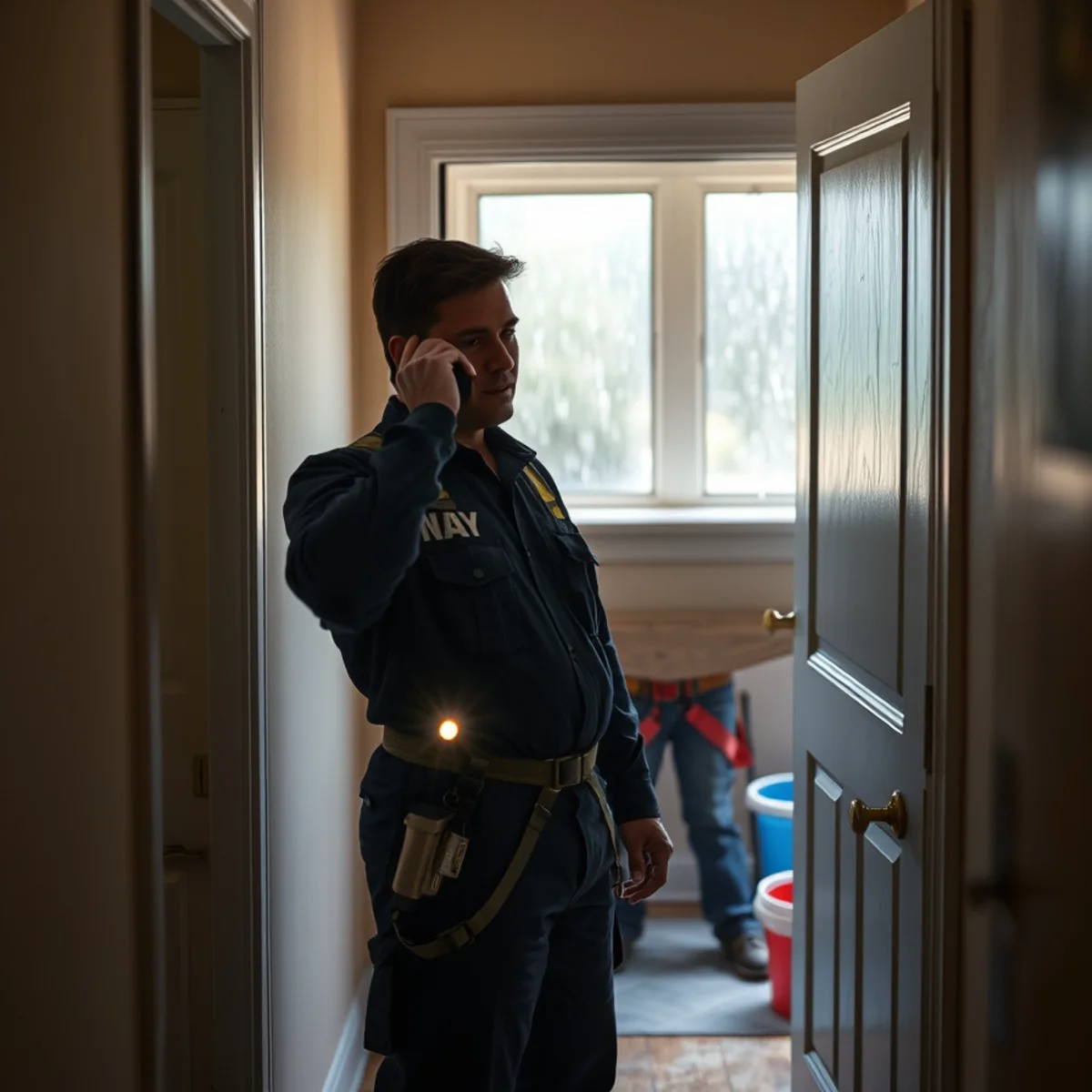
During an active storm, no honest roofer is going to promise a permanent repair. Wet surfaces do not bond and nobody should be on a pitched roof in lightning.
What you are asking for is emergency response: assessment, a temporary cover or interior mitigation now, and a permanent repair scheduled as soon as the weather allows. Our emergency roof leak repair service triages by whether water is actively entering, and active interior water moves to the front of the queue.
What not to do
- Do not climb onto a wet roof. Every year people are seriously injured doing this. Nothing on your roof is worth it
- Do not seal the ceiling stain to hide it — you are trapping moisture in the cavity and encouraging mold
- Do not run a dehumidifier in a room with live wiring exposed to water until power is off
- Do not throw away wet materials before photographing them for the claim
- Do not assume it is one leak. Water travels; two stains can share one source, and one stain can have two
What to do next
Nothing in that list is complicated, and the order matters more than the technique. Power first, controlled drainage second, containment third, evidence fourth. The one step people resist is putting a hole in their own ceiling — and it is the step that most reliably turns a large repair into a small one.
Once the water stops, the question becomes why it got in. That is a diagnosis job rather than a patching job, and it starts in the attic. See emergency roof leak repair for how we trace a leak back to where it actually entered.
Questions we get about this
Is a roof leak covered by homeowners insurance?
Sudden damage from a storm event usually is. Gradual damage from age or deferred maintenance usually is not. We cover the distinction in detail in does homeowners insurance cover roof leaks in Pennsylvania?.
How much does emergency leak repair cost in Harrisburg?
It depends on time of day, weather and what failed. We quote before we start rather than handing you an open-ended bill at midnight. See emergency roof leak repair.
Should I call my insurer or a roofer first during an active leak?
The roofer, if water is coming in right now. Mitigating the damage is your responsibility under nearly every policy, and emergency work is generally reimbursable. Photograph first, stop the water second, open the claim third.
Need help with this in Harrisburg?
We are a licensed and insured roofing contractor based at 1000 N Cameron St in Harrisburg. Free inspections, written reports and honest recommendations.
Related services
Areas mentioned