Prevention & Maintenance
How to Prevent Ice Dams Before Winter Hits Harrisburg
Every ice dam in Harrisburg is caused by heat you paid for escaping into your attic. Fix that and the dams stop — permanently.
The short answer
Ice dams are a heat-loss problem that shows up on the roof. Fix it in three parts and in this order: air seal every bypass into the attic, bring insulation to consistent depth with baffles at the eaves, then balance intake and exhaust ventilation so the roof deck stays cold.
Here is the thing most homeowners never get told: an ice dam is not really a roofing problem. It is a heat-loss problem that manifests on the roof.
Snow on a roof does not melt because of sunshine. If it did, it would melt evenly and run off. It melts because heat from inside your house is warming the roof deck from below. That meltwater runs down to the eave, which overhangs unheated space and stays at outdoor temperature, and there it refreezes.
Which means the fix is inside the house, not on top of it. Here is the three-part solution, in order of impact.
Part 1: air sealing — do this first
Air sealing matters more than insulation and it is cheaper. Warm air escaping into the attic carries far more heat than conduction through insulation does, and it carries moisture with it.
The bypasses to seal, roughly in order of importance:
- The attic hatch or pull-down stair — usually the single largest hole in the ceiling plane, and rarely weatherstripped or insulated
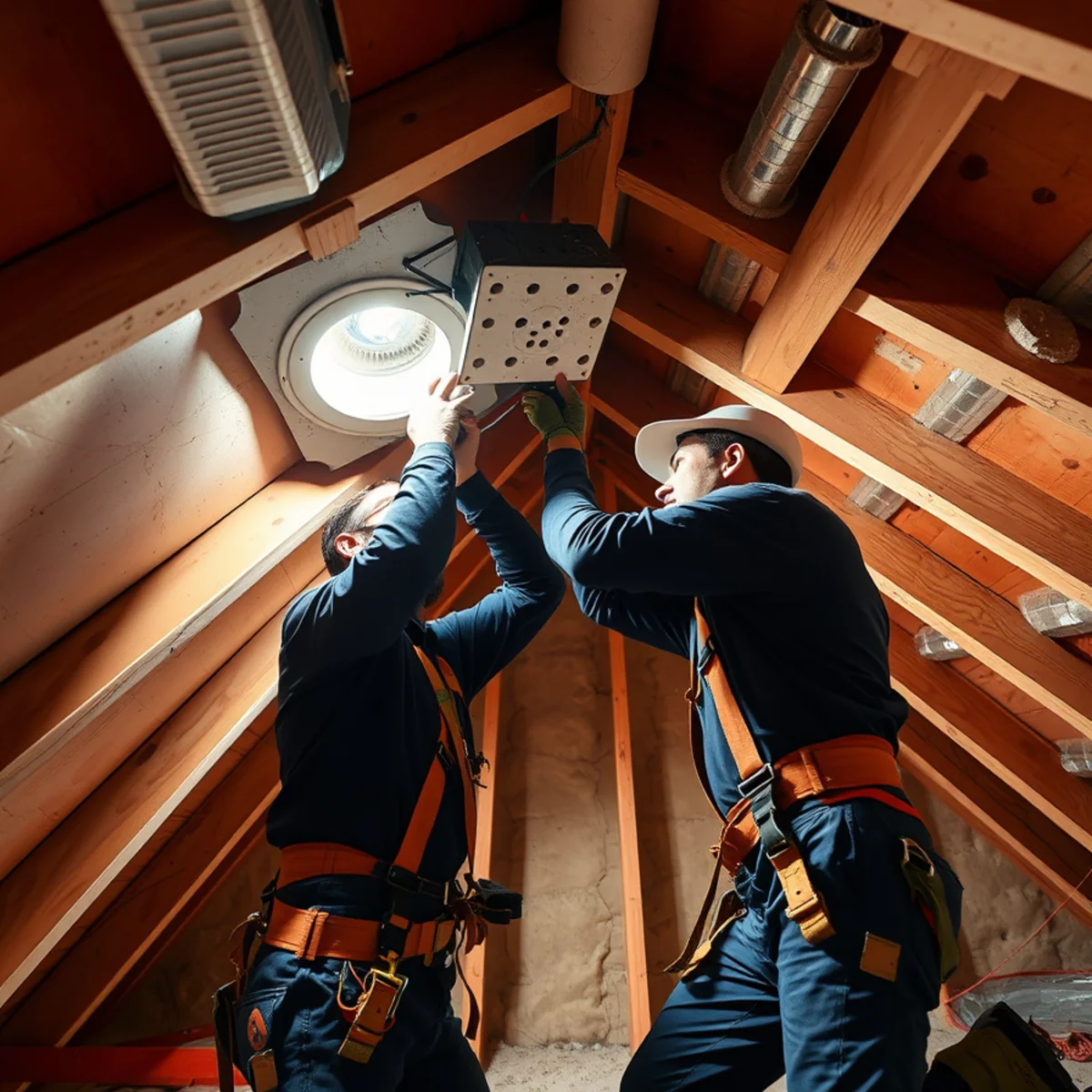
- Recessed light housings — each one is a chimney unless it is IC-rated and gasketed or boxed above
- Bath and kitchen exhaust fans — seal the housing, and confirm the duct terminates outside rather than in the attic
- Plumbing vent stacks and wiring penetrations — foam or caulk at every hole through the top plate
- Top plates of interior walls — often open into the attic along their whole length
- Chimney chases and duct chases — sealed with fire-rated materials
- Whole-house fan housings — a large uninsulated opening unless it has an insulated cover
Part 2: insulation
Once air leaks are sealed, insulation does its job — slowing conductive heat loss so the attic stays close to outdoor temperature.
The important details are coverage and consistency rather than headline R-value. Look for thin spots, areas that have been disturbed by someone working in the attic, compressed insulation under stored items, and — critically — the eaves.
At the eaves, insulation must reach the outer wall for full coverage but must not block the intake airflow. That is exactly what baffles are for: rigid channels installed at each rafter bay that hold insulation back and keep an air path open from the soffit. If your attic has blown insulation and no baffles, the intake is almost certainly blocked and you have both problems at once.
Part 3: ventilation
Ventilation removes whatever heat and moisture still make it into the attic. Cool air enters low at the soffit, rises as it warms, exits at the ridge.
Both halves are required and roughly balanced. A ridge vent with no soffit intake does not ventilate — it pulls conditioned air out of your house through every ceiling penetration, which makes the problem worse.
The general rule of thumb is one square foot of net free ventilating area per 150 square feet of attic floor, or 1:300 where a vapor barrier is present and intake and exhaust are balanced. Full detail in attic ventilation: the hidden killer of builder-grade roofs.
What about heat cables?
Heat cables have a legitimate but narrow role. Run in a zigzag along the eave and into the gutter and downspout, they can maintain a drainage channel through a dam so water has somewhere to go.
What they do not do is address the heat loss causing the dam. They also consume electricity all winter, they degrade and need replacing, and improperly installed they are a fire risk.
Our position: they are a supplement for a specific stubborn problem area — a north-facing valley, a section over a cathedral ceiling that cannot be properly vented — not a substitute for fixing the cause.
Roofing measures that limit the damage
Prevention is the priority, but there are roofing measures that limit the consequences when a dam does form.
Ice and water shield installed at the eaves, running well past the interior wall line, means that when water backs up behind a dam it hits a waterproof membrane rather than your ceiling. This is standard on every roof we replace and it is the item cheap quotes cut first.
A metal roof largely prevents dams entirely by shedding snow before it can melt and refreeze — one of the strongest arguments for metal roofing on Central PA homes with a dam history.
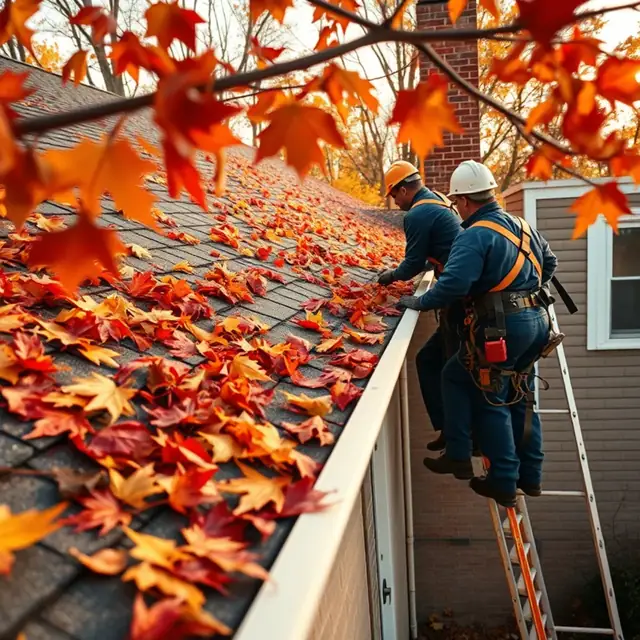
And clean gutters give meltwater somewhere to go. A gutter packed with wet leaves in December is a block of ice in January.
A realistic autumn plan
September — assess
Get into the attic. Check for baffles, insulation coverage, bath fan terminations and daylight at the eaves.
October — seal and insulate
Air seal every bypass, then top up insulation and install baffles where they are missing.
October — ventilation corrections
Add soffit intake if there is none. This is carpentry and it is the item that makes the ridge vent work.
November — clear the gutters
After leaf drop, completely, including downspout elbows.
Before the first storm — buy a roof rake
Clearing the lower few feet of roof from the ground after a heavy snow removes the fuel supply.
What to do next
Air sealing first, because it moves more heat than insulation does and it is cheaper. The attic hatch, the recessed light housings, the bath fan ducts, the plumbing penetrations and the top plates of interior walls — those five account for most of what escapes.
Do that work in autumn while it is a scheduled job rather than in February while it is an emergency. And make sure whatever roof goes on next carries ice and water shield well past the interior wall line, so that if a dam does form the water hits a membrane rather than your ceiling. See ice dam removal and repair.
Questions we get about this
Do heat cables prevent ice dams?
They manage a symptom in a specific stubborn spot — a north-facing valley, or a section over a cathedral ceiling that cannot be properly vented. They do not address the heat loss causing the dam, they use electricity all winter, and they degrade. Treat them as a supplement, not a solution.
How much does ice dam prevention cost?
Air sealing and insulation work is priced by the attic and the number of bypasses, and cutting in soffit intake is real carpentry. Against it, weigh one deductible plus the drywall, insulation and possible mould remediation that follow a week of water in a wall cavity — plus the heating you stop wasting.
Will more attic insulation alone stop ice dams?
Rarely on its own. Insulation slows conductive heat loss but air leakage carries far more heat, and insulation packed to the eaves actively blocks the intake ventilation the roof needs. All three parts have to happen together or you get a partial result.
Need help with this in Harrisburg?
We are a licensed and insured roofing contractor based at 1000 N Cameron St in Harrisburg. Free inspections, written reports and honest recommendations.
Related services
Areas mentioned