

Neighborhood · Tier 1 service area
Roofing Contractor in Italian Lake, Harrisburg, PA
Five minutes from our shop — up Cameron and across Division Street to Third.
24/7 emergency response
A person answers, day or night.
Based on N Cameron St
Local crews, not storm chasers.
Licensed & insured
Liability and workers' comp on every job.
Free written estimates
Itemized line by line, photos included.
Italian Lake is the small park at Third and Division in Uptown Harrisburg, and the neighborhood that took its name is the ring of streets around it. The housing here went up largely in the 1920s and 30s — solid brick singles, twins and semi-detached homes, more generously proportioned than the rowhomes further south.
It is a five-minute drive from our shop and one of the more consistent neighborhoods we work in. The houses are similar enough in age and construction that we generally know what we will find.
Interwar brick homes with real overhangs
The 1920s and 30s brick housing around Italian Lake is a genuinely well-built stock. Real masonry, decent framing, proper eave overhangs, and roof pitches steep enough to shed water properly.
What they were not designed for is modern attic conditions. Most of these houses have had insulation added at some point, frequently blown in against the underside of the roof or packed to the eaves in a way that blocks whatever intake ventilation existed. Combine that with a ridge vent added during a 1990s re-roof and you get an attic that neither breathes nor drains.
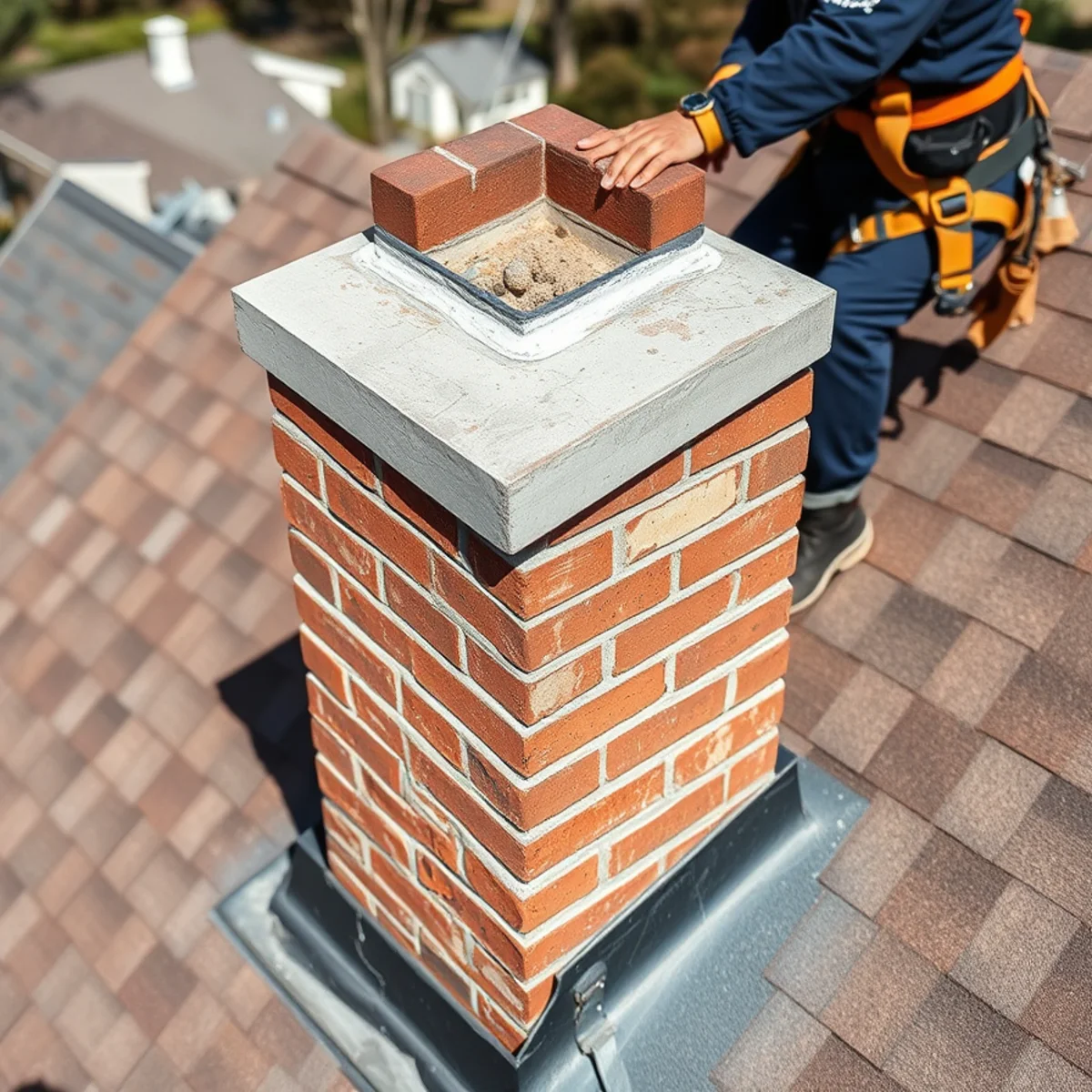
The other recurring item is the chimney. These houses almost all have masonry chimneys, many now unused, and the flashing and crown on an unused chimney is nobody's priority until it leaks.
- 1920s–30s brick singles, twins and semi-detached homes
- Proper eave overhangs but frequently blocked intake ventilation
- Masonry chimneys with aging flashing and deteriorated crowns
- Original slate on some blocks, asphalt replacements on others
The park, the trees and the drainage
The blocks immediately around Italian Lake have significant mature tree cover, and the park itself sits at a low point that collects water. Roof drainage matters more here than the average city block, because water leaving a roof badly on this ground has somewhere to go and it is usually a basement.
We spend more time than usual on downspout discharge in this neighborhood. Extending a discharge six feet from the wall costs almost nothing during a roofing job and it makes a measurable difference on a lot that already drains toward the park.
The chimney work is the other Italian Lake constant. When we re-roof one of these houses we plan on rebuilding the step and counterflashing into the mortar joint properly rather than caulking to the brick face, and we look hard at the crown. An open crown lets water into the chimney stack itself, and no amount of roof flashing fixes that.
Roofing services we provide in Italian Lake
Replacements with ventilation and chimney flashing corrections, plus drainage work on the low-lying blocks.
Roof Replacement
Full tear-off and re-roof for Harrisburg homes, with line-item quotes that show you exactly what you are paying for.
Learn moreRoof Repair
Fast, correctly detailed repairs for leaks, blown-off shingles, failed flashing and storm damage across Harrisburg.
Learn moreGutters & Downspouts
Seamless gutters, correctly sized downspouts and guards that survive Central PA leaf load and ice.
Learn moreSlate Roof Repair
Repair and restoration for the Pennsylvania slate roofs on Harrisburg's Victorian and early-1900s homes.
Learn moreAsphalt Shingle Roofing
The right shingle, installed to spec, on roofs that have to survive hail season and four months of freeze-thaw.
Learn moreWorking in Italian Lake
Why Italian Lake property owners call us
What we bring to this specific neighborhood — not a list of adjectives, but the things that actually change how the job goes here.
Chimney flashing rebuilt, not sealed
The 1920s and 30s brick houses around the lake almost all carry masonry chimneys, many now unused. Step and counterflashing cut into the mortar joint is the fix; caulk against the brick face is what fails two winters later.
Insulation checked against the intake
These houses were built with proper eave overhangs and then had insulation added — frequently packed straight into the eaves, blocking whatever intake ventilation existed. We install baffles and restore the air path as part of the scope.
Drainage planned for the low ground
The blocks around the park sit at a collecting point. Extending downspout discharge clear of the foundation costs very little during a job here and makes a measurable difference.
On the map
Where Italian Lake sits
We dispatch from 1000 N Cameron Street in Harrisburg. Five minutes from our shop — up Cameron and across Division Street to Third.
Capitol Roofers Harrisburg
1000 N Cameron St, Harrisburg, PA 17103
(855) 705-1940 · Open 24 hours — emergency roof crews on call
Nearby
Other areas we serve close by
Same crews, same standards, same phone number.
FAQs
Roofing questions from Italian Lake
Local answers to the questions we get asked most on these streets.
My attic has plenty of insulation but the roof still gets hot. Why?
Insulation is not ventilation. If the insulation was packed to the eaves it blocks the intake air a ridge vent needs, so the attic cannot move heat or moisture. We install baffles and restore intake as part of a replacement — see attic ventilation and roof lifespan.
Do I need to fix my chimney if I never use it?
The flashing and crown, yes — those keep water out of the roof and out of the masonry stack regardless of whether you burn anything. An unused chimney with a failed crown is a slow, expensive leak.
Is the slate on my house worth keeping?
If the slates ring when tapped and the framing is sound, almost certainly yes. Many of these roofs are only nail-sick, which is a repair rather than a replacement. See slate roof repair.
Do I need to fix my chimney if I never use the fireplace?
The flashing and the crown, yes. Those keep water out of the roof and out of the masonry stack regardless of whether you ever light a fire. An unused chimney with an open crown is a slow, expensive leak that shows up in an upstairs ceiling long after the damage started.
My attic has plenty of insulation but the roof still gets hot. Why?
Insulation is not ventilation. If it was blown in and packed to the eaves — which is the pattern on most of the interwar housing around Italian Lake — it blocks the intake air a ridge vent needs, so the attic cannot move heat or moisture. Baffles restore the path without losing coverage.
Are the homes around Italian Lake still on their original roofs?
Some of the slate is original, and where it is, it is usually worth keeping. The 1920s and 30s brick housing around the lake was well built, and slate that rings when tapped has decades left even where the fasteners are failing. What has usually been replaced two or three times is the flashing and the chimney work, which is where most of the leaks on these houses actually start.
Do homes near Italian Lake have drainage problems?
The blocks immediately around the park sit at a collecting point, and yes, that shows up in basements more than on roofs. It is the reason we pay more attention to downspout discharge here than on a hillside street. Extending a discharge six feet clear of the wall costs almost nothing while a crew is already on site, and on this ground it makes a measurable difference to what the foundation is holding back.
Get a free roof inspection in Italian Lake
Call (855) 705-1940 or request an estimate online. Capitol Roofers Harrisburg, 1000 N Cameron St, Harrisburg, PA 17103 — Open 24 hours — emergency roof crews on call.
Free inspection Licensed & insured Written warranty