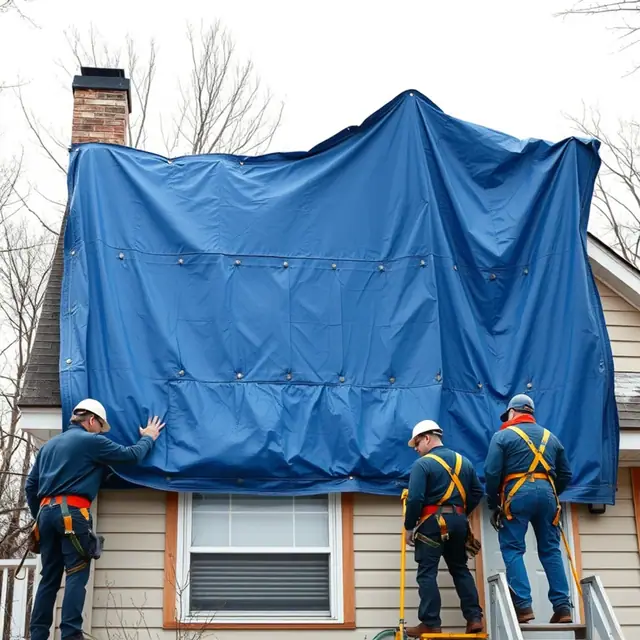
Emergency Guides
What to Do When a Tree Falls on Your Roof in Harrisburg
The first hour after a tree hits your roof decides whether this is a repair or a rebuild. Here is the order to do things in — and the three mistakes we see most.
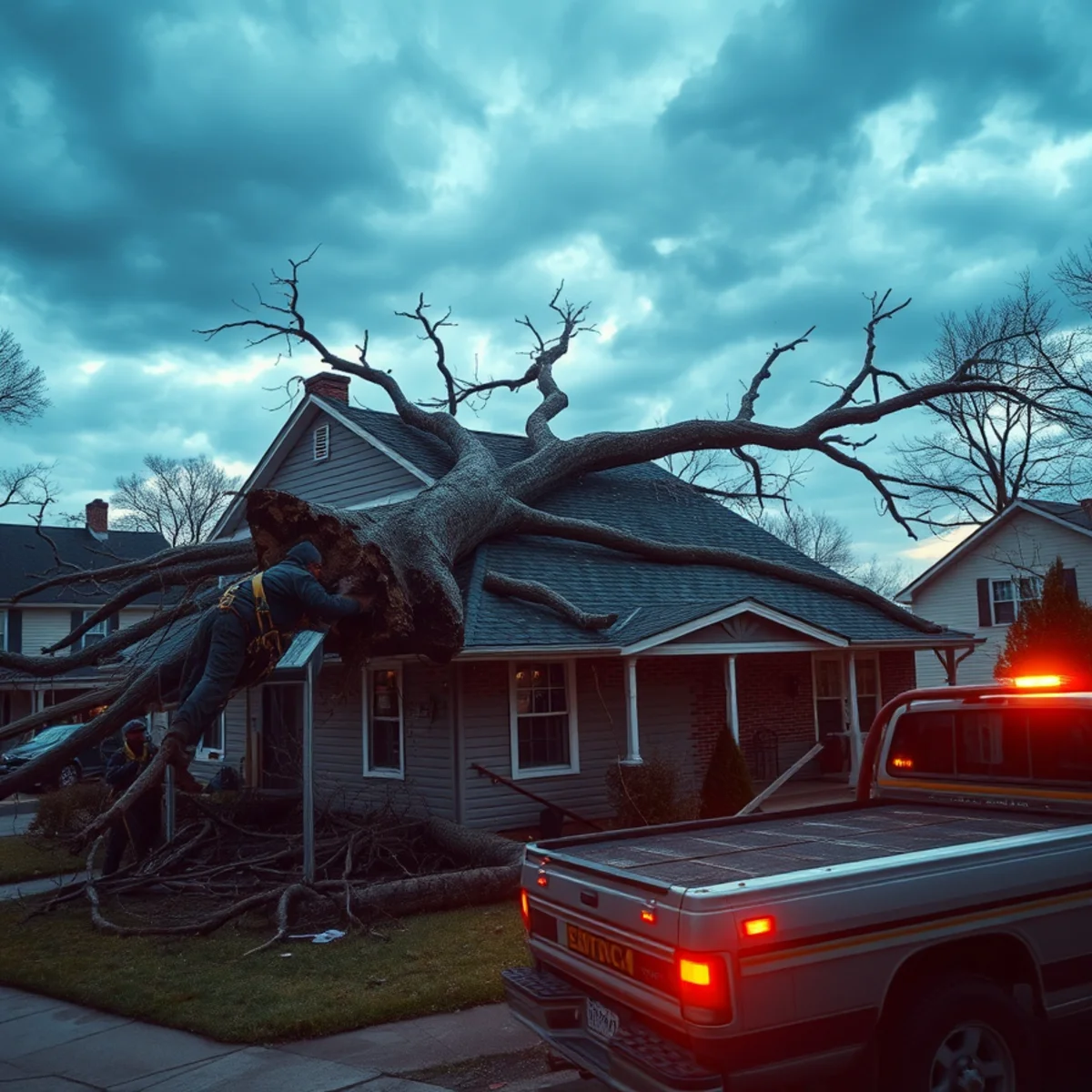
The short answer
Get everyone out of the affected rooms, check for downed power lines before stepping outside, and kill the breakers feeding that part of the house. Photograph everything before anything is moved. Do not climb up and do not shift the limb — it may be the only thing holding the damaged section in place.
A tree on the roof is different from every other roofing emergency, because for the first hour it is not a roofing problem at all. It is a structural and electrical safety problem that happens to involve a roof.
Harrisburg's older neighborhoods have exactly the conditions that produce these calls. Riverside, Bellevue Park, Camp Hill and the streets around Reservoir Park all have mature oak and maple canopy that predates the houses beneath it. Add a summer line storm funneling up the Susquehanna valley and a tree that has been quietly rotting at the base for a decade, and you get a 2 a.m. phone call.
Here is exactly what to do, in order.
1. Get everyone out of the affected part of the house
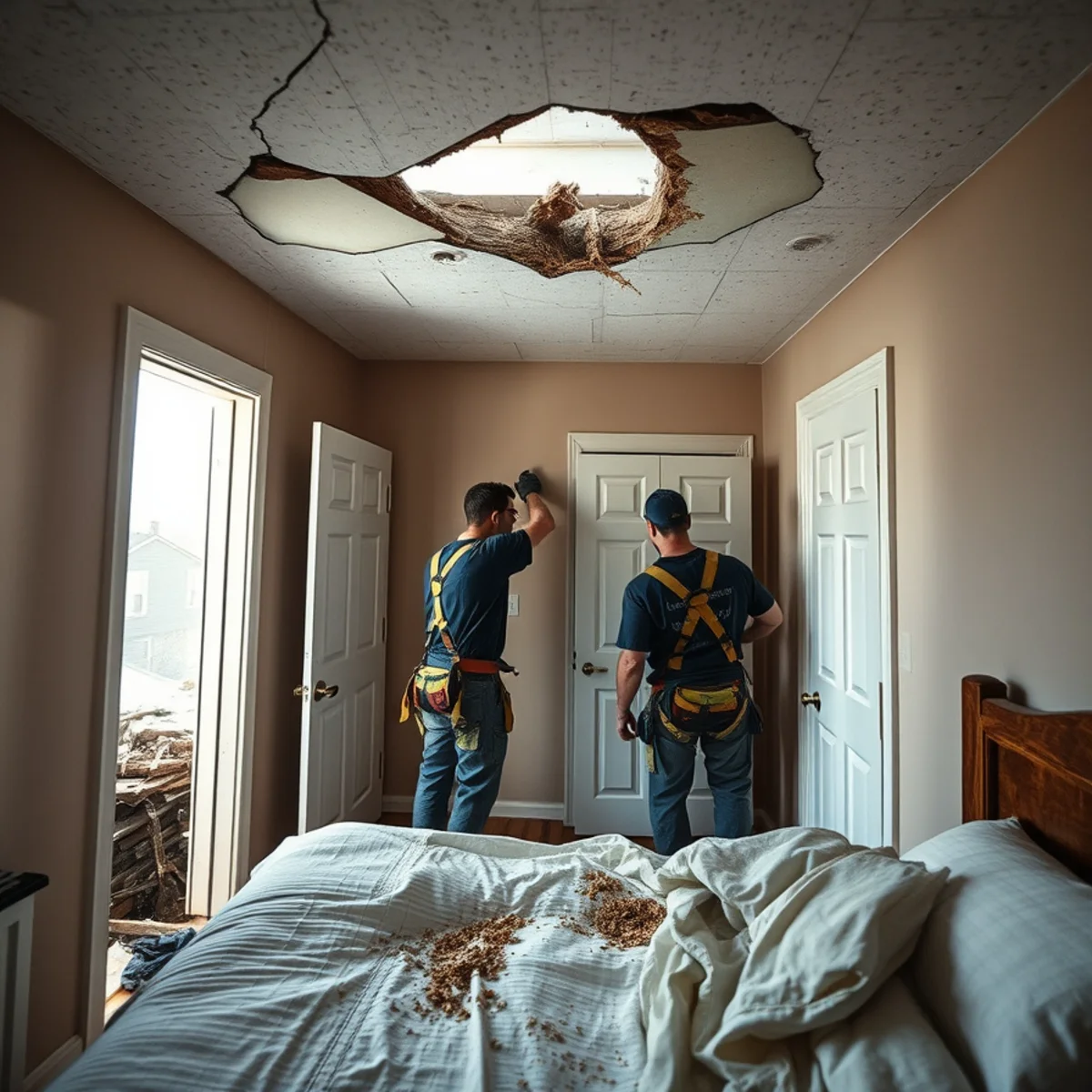
Move people and pets away from the impact area and the rooms directly below it. A limb that has broken through decking has already transferred load in ways the framing was never designed for, and ceilings holding water are a collapse risk.
If the impact is over a bedroom, nobody sleeps in that room tonight regardless of how small the damage looks from outside.
2. Check for power lines before you go outside
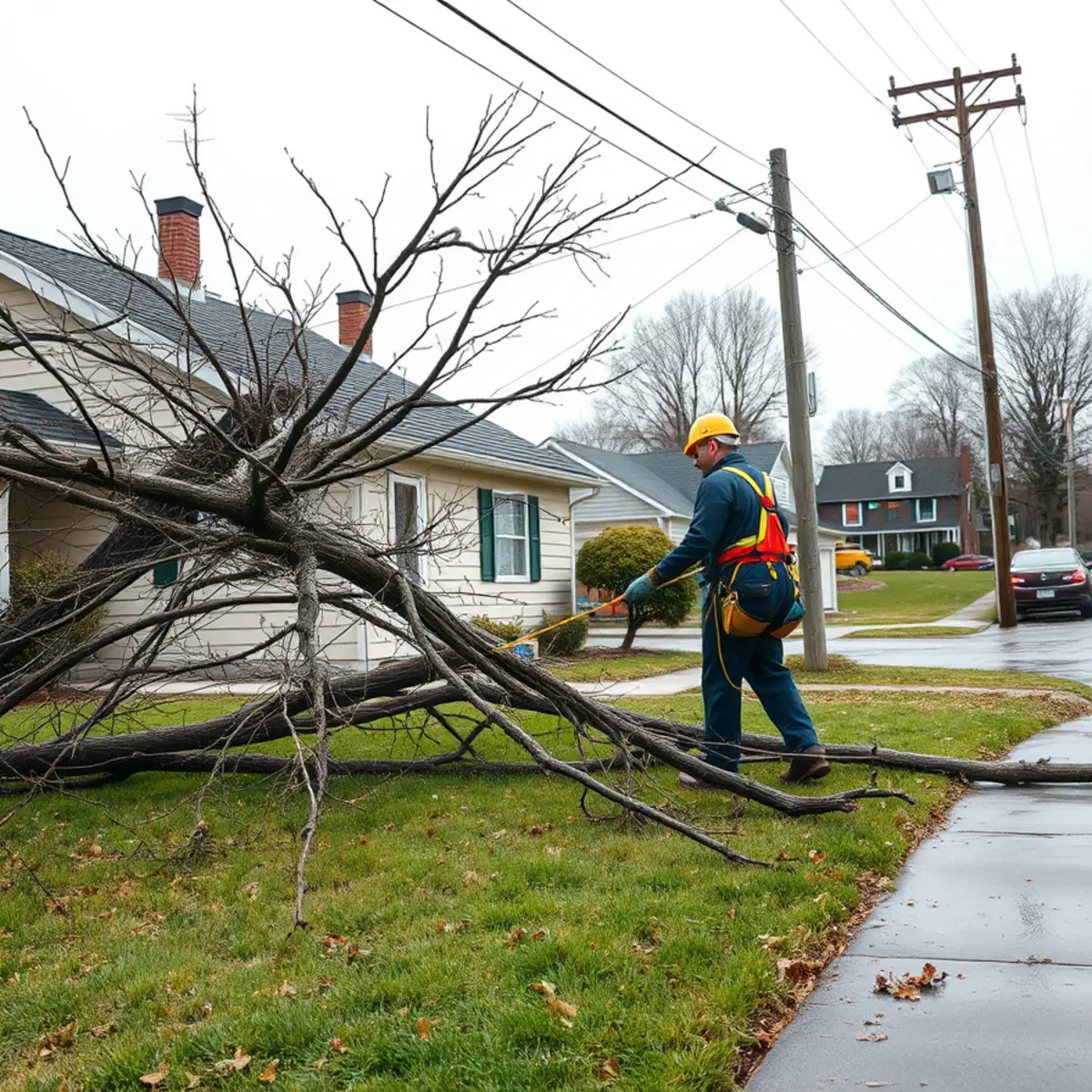
This is the step people skip and it is the one that kills. A falling tree frequently takes a service drop with it, and a live line lying in wet grass energizes the ground around it.
If any line is down, on the tree, or torn away from the house, stay inside, call 911 and your utility, and do not approach. If you smell gas, get everyone out of the house entirely and call from a neighbor's.
3. Kill power to the affected area
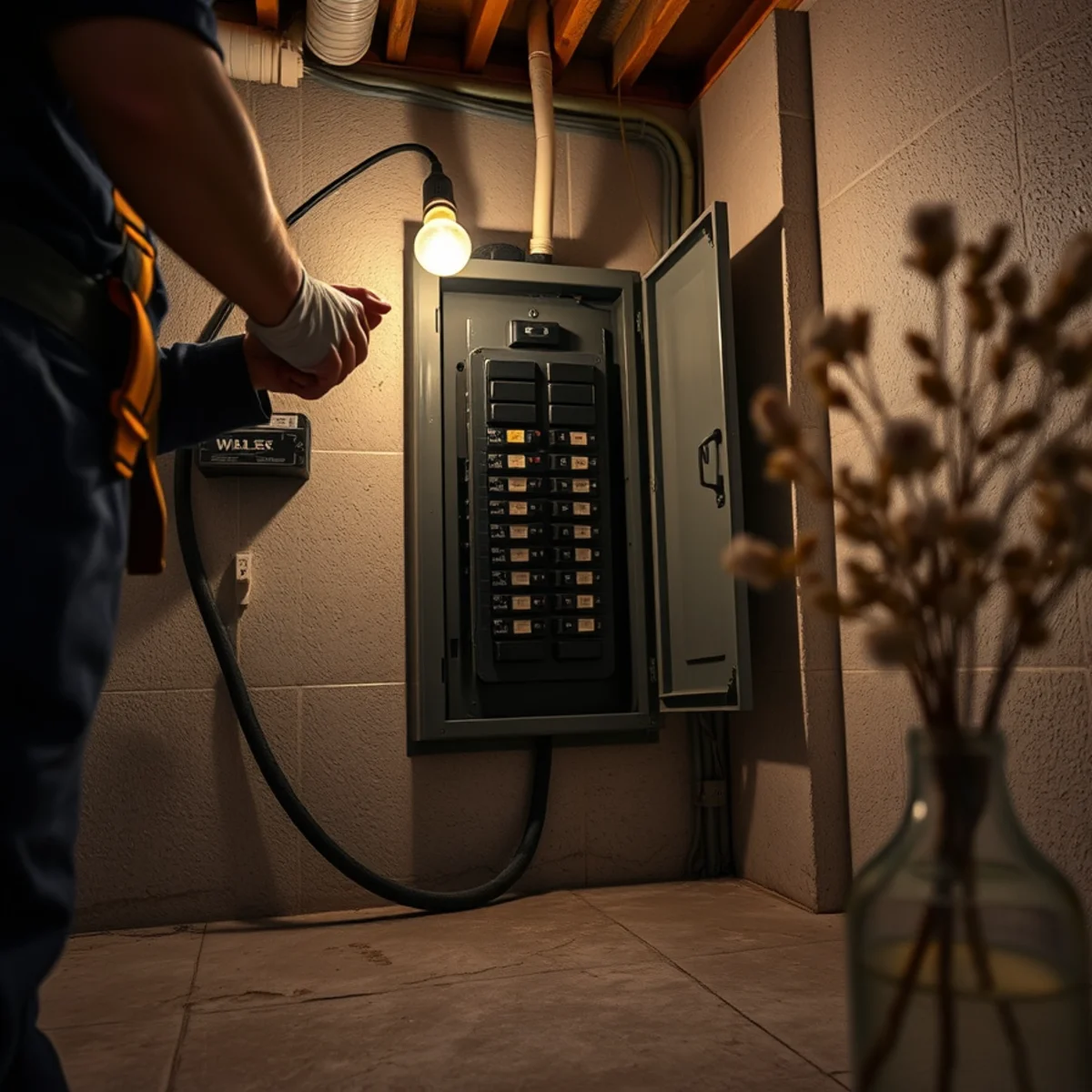
If water is entering near light fixtures, ceiling fans, or outlets, shut off the breakers feeding that part of the house. Do not stand in water to reach the panel.
4. Photograph everything before anyone touches it

This is the step that decides how your insurance claim goes, and you have a narrow window to do it.
Photograph the tree where it landed, from multiple angles, including wide shots that show the whole house and the tree's root ball or break point. Photograph the interior damage, the water, the affected rooms and any damaged contents. Take video walking around the exterior narrating what you see. Every phone stamps the date and time on the file, and that timestamp is evidence.
Once a tree crew has cut and hauled, the evidence is gone. Adjusters are not unreasonable people, but they can only assess what they can see or what you can document.
5. Do not go on the roof and do not move the limb
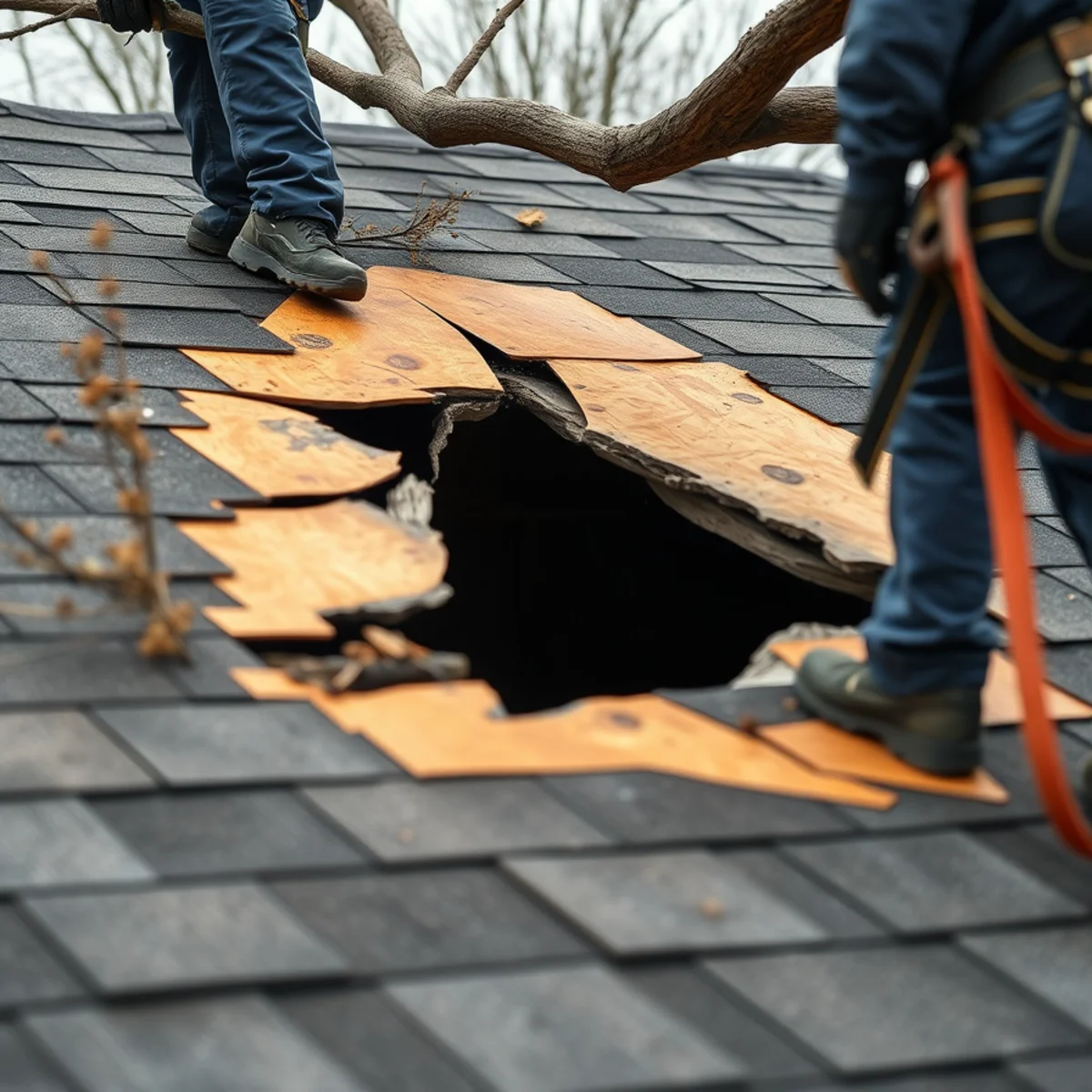
Two reasons, and both are serious.
First, the limb may be the only thing holding a damaged section in place. Removing it without supporting the structure can drop the whole assembly into the room below. Second, decking around an impact is compromised in ways you cannot see from on top — a plywood deck that looks intact can be cracked along the rafter line and will not hold your weight.
Tree removal on a structure is rigging work. It gets done with the load supported and the pieces controlled, not with a chainsaw and optimism.
6. Call for emergency roofing and tree crews in the right order
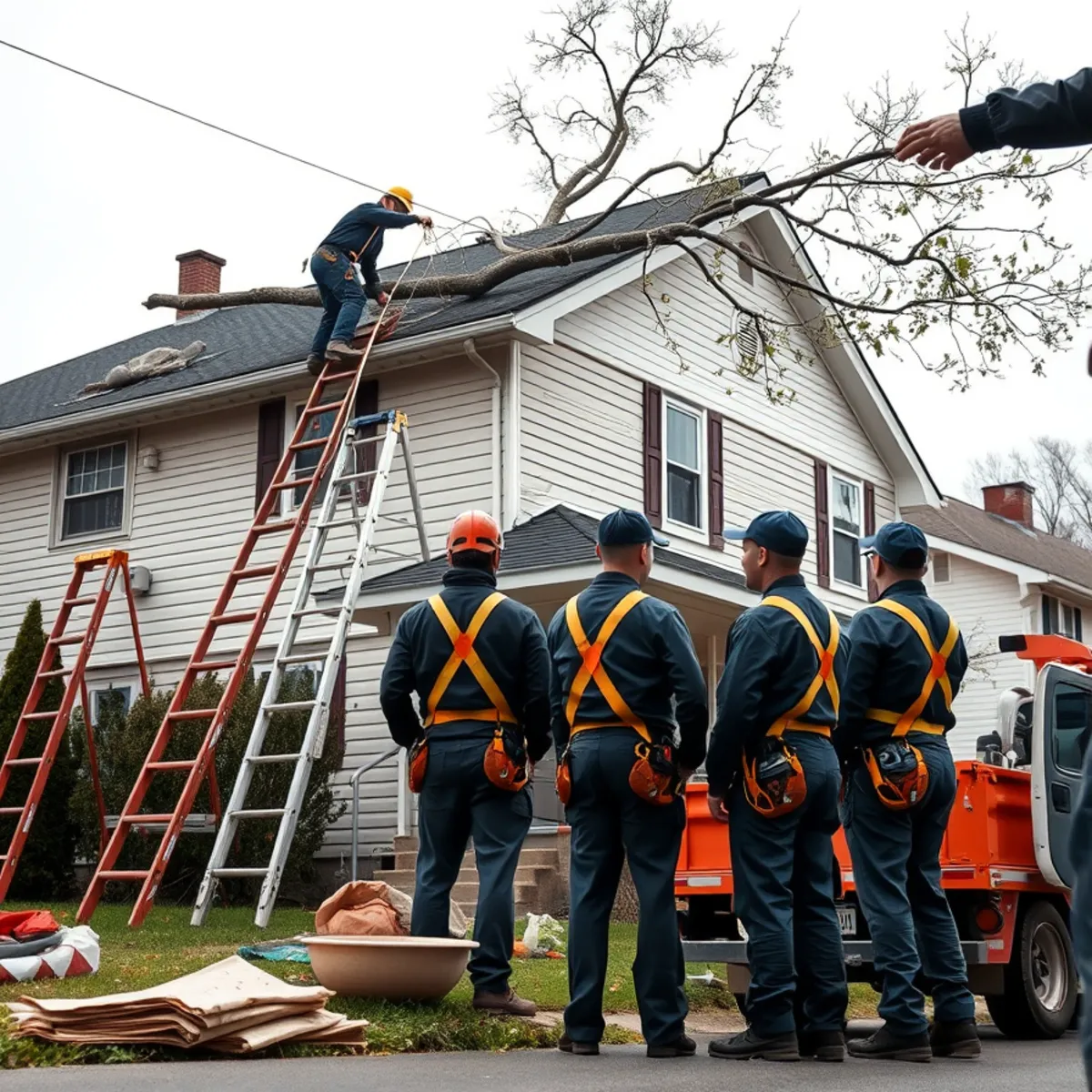
The sequence matters. The tree comes off with the roof crew present, because the moment the limb lifts, the opening it was covering is exposed and it needs to be tarped immediately — particularly if rain is still moving through.
We coordinate that directly on Harrisburg emergency calls: tree crew rigs and removes, we assess the opening and the decking, then the roof gets covered before anyone leaves. Doing it as two separate visits on separate days means your attic takes a full rain event in between.
What your insurance should cover
- Damage to the structure — roof, decking, framing, siding, gutters and interior finishes are typically covered when a tree strikes the building
- Removal of the tree from the structure — usually covered, often with a per-occurrence limit
- Removal of the rest of the tree from your yard — coverage varies considerably; read the policy
- Emergency mitigation — tarping and temporary repair are generally reimbursable, so keep every itemized receipt
- Additional living expenses — if the house is genuinely uninhabitable, most policies cover temporary accommodation
- Contents — damaged furniture, electronics and personal property are usually a separate claim line, so photograph them
The three mistakes that cost people money
Cleaning up before documenting
Understandable and expensive. An adjuster arriving four days later sees a tidy yard and a tarp. Photograph first, always.
Hiring the first crew that shows up
Storm chasers arrive in Dauphin County within hours of a significant event. Some are fine. Many will be gone before your warranty is ever tested. Check for a local address and a Pennsylvania contractor registration.
Signing a contract at the scene
Authorize emergency mitigation, absolutely. Do not sign a full replacement contract standing in your driveway at midnight, and never sign anything that assigns your insurance benefits away without reading it carefully.
What to do next
A tree on the roof is a sequencing problem more than a roofing problem. Safety, then documentation, then removal and tarping together — in that order, every time. The households that come out of this well are the ones who photographed the scene before a chainsaw started and who had the roof covered the same day the limb came off.
If a limb is on your roof right now, call us. We coordinate the tree crew and the roof crew so the opening never sits exposed overnight, and we document the loss properly for your claim while we are there. See 24/7 emergency roof repair for how the call runs.
Questions we get about this
Who pays if my neighbor's tree falls on my house?
In most cases your own homeowners policy responds, and your insurer may then pursue your neighbor's carrier if negligence can be shown — for example a tree they were already on notice was dead. Do not delay your own claim while sorting out fault.
How fast can you get to a tree strike in Harrisburg?
Our shop is on N Cameron Street, so most of the city and the inner-ring townships are minutes away. Tree strikes with active water entry go to the front of the queue — see our 24/7 emergency roof repair service.
How long can a tarp stay on after a tree strike?
Realistically a couple of months in Central PA weather if it is properly battened — but treat that as a bridge, not a solution. Every week it stays up, the underlayment beneath stays damp and the fastener holes work themselves larger. Book the permanent repair while the tarp is going on, not after.
Need help with this in Harrisburg?
We are a licensed and insured roofing contractor based at 1000 N Cameron St in Harrisburg. Free inspections, written reports and honest recommendations.
Related services
Areas mentioned