Harrisburg & Central PA
Blizzard of 2016 Dropped 26.4 Inches on Harrisburg: Snow Load Lessons
Harrisburg recorded 26.4 inches in the January 2016 blizzard. A decade on, the lessons are about which roofs struggled — and why.
The short answer
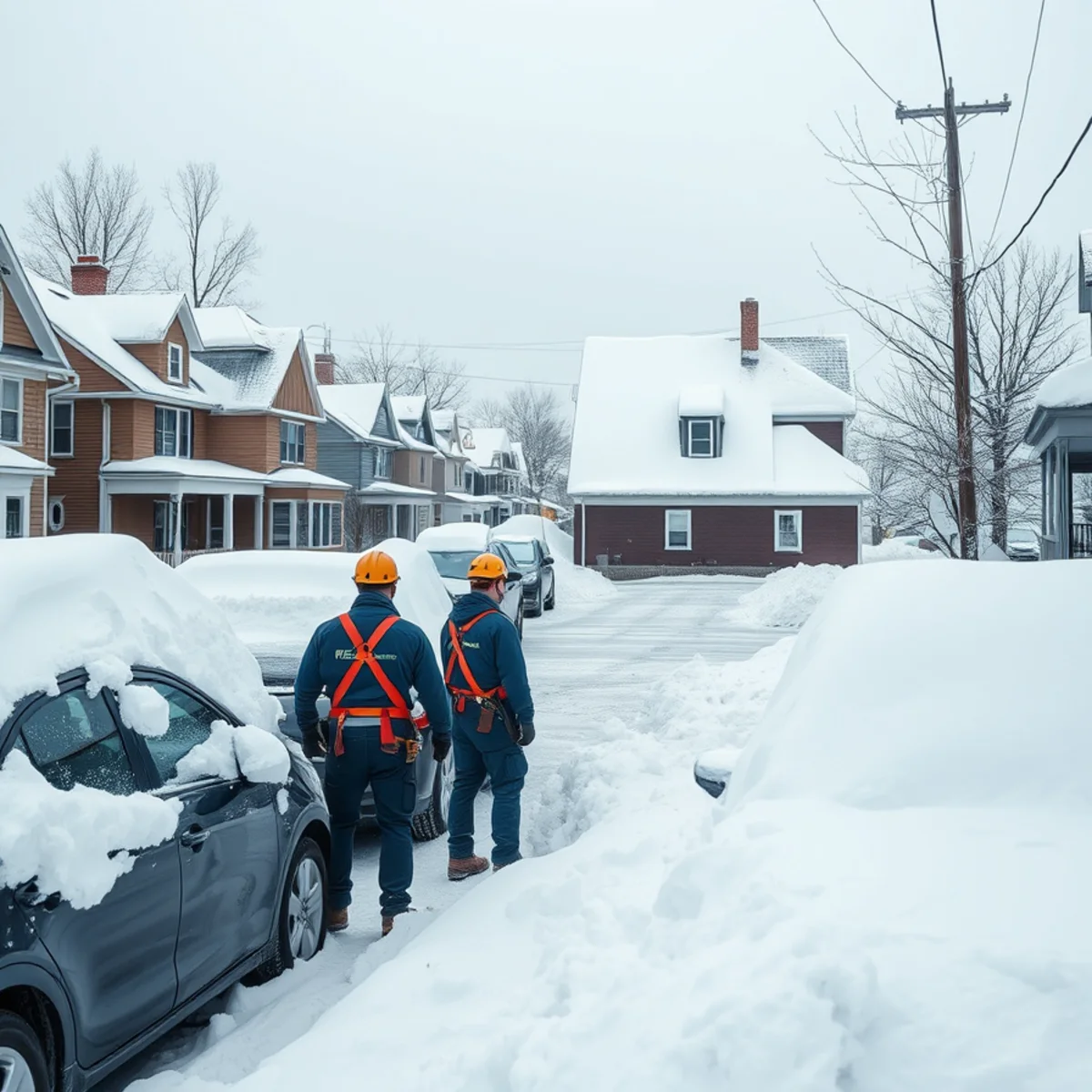
The January 2016 blizzard dropped a recorded 26.4 inches on Harrisburg — roughly a whole average season in one event. Most roofs handled it. The ones that struggled shared a small set of characteristics, and those characteristics are still out there on thousands of buildings in this county.
The blizzard of January 2016 dropped a recorded 26.4 inches of snow on Harrisburg — roughly an entire average season's worth in a single event.
Most roofs handled it. Some did not, and the ones that struggled shared a small number of characteristics that are worth understanding, because those characteristics are still out there on thousands of buildings in this county.
What a two-foot event actually weighs
It depends entirely on water content. Two feet of light, dry snow might load a roof at something in the region of six to ten pounds per square foot. Two feet of dense, wet snow can be several times that.
The dangerous variable is what happens afterward. Snow that partially melts and refreezes gains density. Snow that absorbs subsequent rain gains a great deal of weight — for reference, water is about 5.2 pounds per square foot per inch of depth, and a snowpack that has taken on rain behaves accordingly.
So the event to worry about is not necessarily the biggest snowfall. It is the substantial snowfall followed by a warm rain and then a hard freeze.
Which roofs struggled
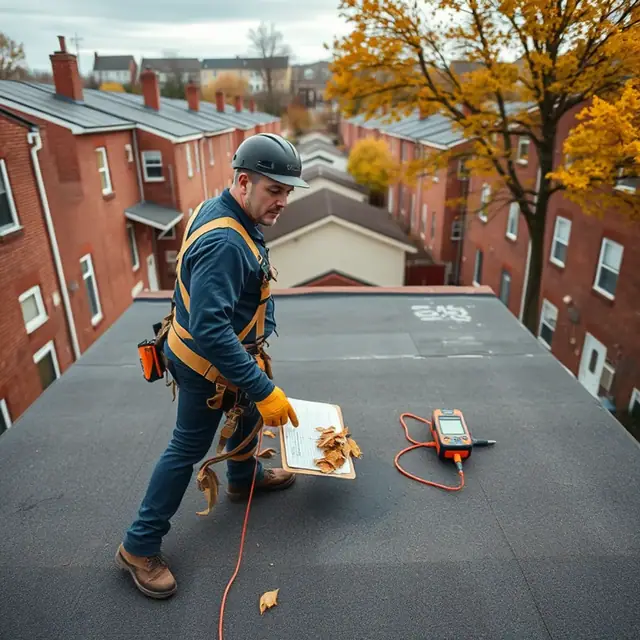
- Flat and low-slope roofs — they hold everything; a pitched roof sheds a meaningful portion
- Roofs with drift-prone geometry — valleys, areas behind dormers, and lower roofs sitting beneath a taller wall, where wind deposits several times the flat-ground depth
- Multi-layer roofs — every accumulated layer is permanent dead load using up capacity the snow needs
- Lightly framed additions — porches, sunrooms, carports and enclosed patios, frequently built to lighter standards than the main house
- Older agricultural buildings — large spans with aged framing
- Roofs with existing deflection — a structure already sagging has already told you its capacity is reduced
The drift problem specifically
Uniform snow depth across a roof is the easy case. Drifting is where the real loads occur.
Wind moves snow and deposits it wherever the airflow slows: in valleys, against dormers and chimneys, behind parapets, and particularly on a lower roof where it meets a taller wall. A rowhome rear section beneath a three-story party wall can accumulate several times what the open portion of the roof carries.
That is also where the load is least anticipated, because nobody sizes framing for a drift they cannot predict.
Warning signs during a heavy event
If you see several of these together, get people out and call a professional. This is not a wait-and-see situation.
Doors and windows binding
Frames deflecting under load will bind doors that worked fine yesterday, particularly upstairs.
New cracks in drywall or plaster
Especially above doorways and at ceiling-to-wall junctions.
Visible ceiling sag
A ceiling line that is no longer straight. Take this seriously.
Unfamiliar creaking or popping
Framing under unusual load is audible. A house that suddenly becomes noisy under snow deserves attention.
Sprinkler heads or fixtures moving
In commercial buildings, deflection frequently shows first at ceiling-mounted equipment.
Safe removal
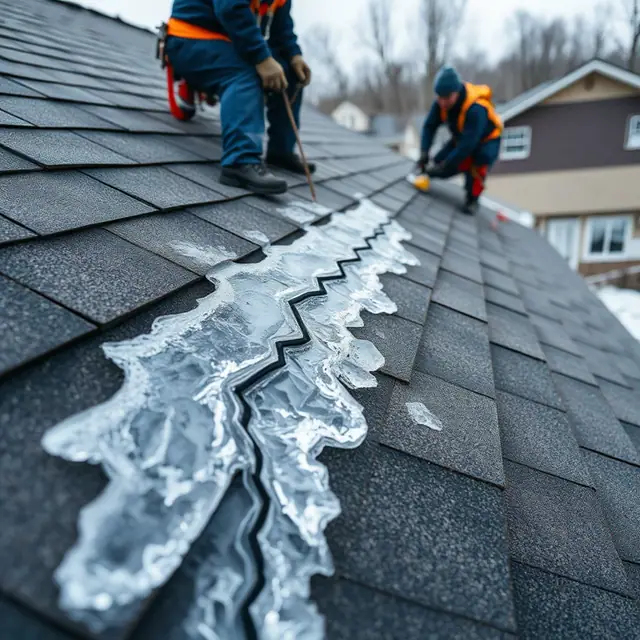
For a pitched roof: a roof rake used from the ground, clearing the lower three to four feet. That reduces eave load and removes the fuel for ice dams. Do not get on the roof — a snow-covered pitch is one of the most dangerous surfaces a homeowner encounters.
For a flat or low-slope roof genuinely carrying too much: professional removal. It is done with plastic tools, leaving a protective layer of snow rather than scraping to the membrane, and working symmetrically so load is not shifted onto one side of the structure.
Never use metal shovels on any roof, never use a torch or heat gun anywhere, and never salt a roof.
What to do before the next one
Know your roof. If you have a flat roof, a multi-layer roof, an addition of uncertain framing, or any visible deflection, get an assessment before winter rather than during a storm.
Clear gutters and drains in late autumn so meltwater has somewhere to go. On flat roofs, make sure overflow scuppers are clear — they exist precisely for the event where the primary drain cannot cope.
And address any known deficiency in autumn. Everything is more expensive, more dangerous and more urgent in February. Our roof repair service books faster in October than it does in January, and it costs less.
What to do next
Know your roof before the next one. If you have a flat roof, a multi-layer roof, an addition of uncertain framing or any visible deflection, get it assessed in autumn rather than during a storm — everything is more expensive, more dangerous and more urgent in February.
Clear the gutters and check that overflow scuppers are open. They exist precisely for the event where the primary drain cannot cope. See roof repair for what an autumn assessment covers.
Questions we get about this
What are the warning signs of a roof under too much snow?
Doors and windows binding upstairs, new cracks in drywall above door frames, a ceiling line that is no longer straight, and unfamiliar creaking or popping. Several of those together means get people out and call someone — it is not a wait-and-see situation.
Is it safe to shovel snow off a flat roof?
Not with a metal shovel and not by scraping to the membrane. Professional removal uses plastic tools, leaves a protective layer of snow and works symmetrically so the load is not shifted onto one side of the structure. On a pitched roof, rake from the ground only.
Does a roof rake actually help?
Yes, for the eave. Clearing the lower three or four feet removes the meltwater supply that feeds an ice dam and reduces load where the overhang is coldest. It does nothing for the middle of the roof and it is not worth climbing for.
Need help with this in Harrisburg?
We are a licensed and insured roofing contractor based at 1000 N Cameron St in Harrisburg. Free inspections, written reports and honest recommendations.
Related services
Areas mentioned