Prevention & Maintenance
Fall Roof Maintenance Checklist for Harrisburg Homeowners
October work costs less than February work and prevents most of it. Here is the autumn checklist that actually matters in Central PA.
The short answer
Clear the gutters completely after leaf drop, walk the perimeter with binoculars checking every elevation, spend twenty minutes in the attic with a flashlight, seal the obvious air bypasses, and book any known repair before the first freeze. Autumn work costs less than February work and prevents most of it.
Autumn is the most valuable time of year to work on a roof in Central Pennsylvania, for one reason: everything that is marginal in October becomes a leak in January.
Freeze-thaw cycling finds every small opening and makes it bigger. Ice dams find every gutter that was not cleared. And the cost of dealing with any of it goes up sharply once it becomes an emergency in a cold snap.
Here is the checklist, split into what you can do yourself and what needs a professional.
From the ground — do this yourself
- Walk the perimeter with binoculars. Look for missing, lifted, curled or creased shingles on every elevation
- Check the ridge and hip lines — cap shingles are the most exposed and the first to go
- Look at the valleys for debris accumulation and any exposed or displaced metal
- Check for granules at the base of downspouts. A heavy fresh deposit means the surface is going
- Look at the fascia and soffit for staining, peeling paint or sagging — all signs of water getting behind the gutter
- Note any limbs touching or overhanging the roof plane
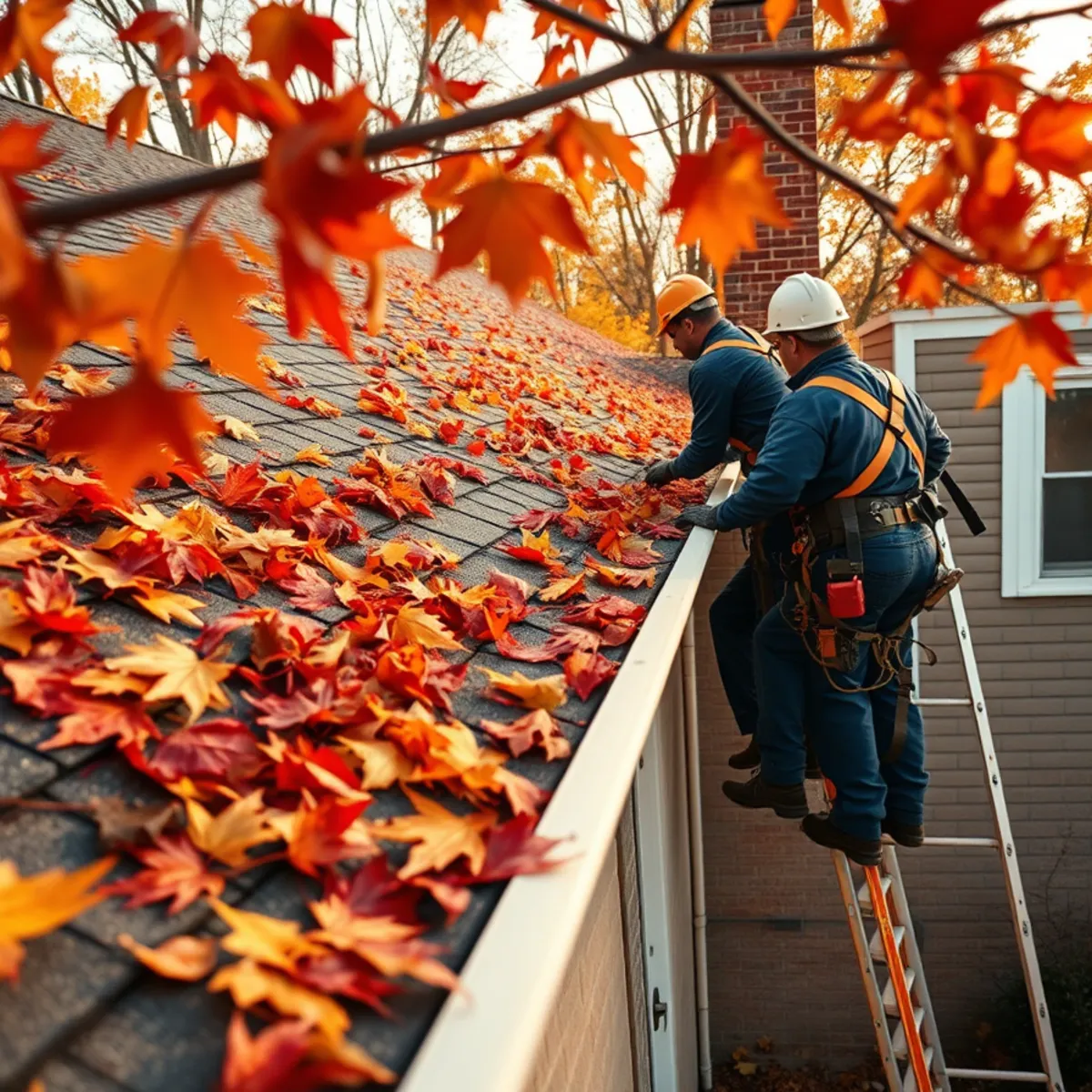
Gutters — the highest-value autumn job
If you do one thing before winter, do this.
Clear gutters and downspouts completely, including the elbows, after the trees are bare. A gutter holding wet debris in December becomes a block of ice in January, and that ice is where an ice dam starts. It also adds significant weight to a fascia that may already be compromised.
While you are there: check that the gutter is still pitched toward the outlets, check the hangers are tight, and run water through to confirm the downspouts are clear all the way to discharge. Extend any discharge that is dumping at the foundation.
On heavily shaded blocks in Riverside or Paxtang, a second clearing in mid-autumn is worth the trouble.
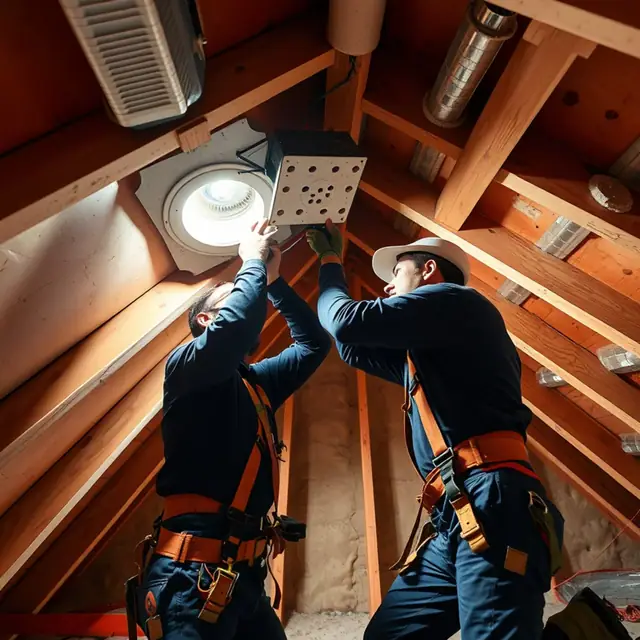
In the attic — twenty minutes well spent
Look for stains on the sheathing
Dark patches or streaks on the underside of the roof deck mean water has been getting in. Note where they are relative to the roof above.
Check insulation depth and coverage
Look for thin spots, compressed areas, and whether insulation has been pushed into the eaves where it blocks intake ventilation.
Confirm there are baffles at the eaves
Channels holding insulation back from the soffit. No baffles plus blown insulation usually means no intake air.
Find where bath fans terminate
If a duct ends in the attic instead of at a roof or wall vent, that is a major winter moisture source and a straightforward fix.
Seal the obvious bypasses
Attic hatch, recessed light housings, plumbing penetrations, wiring holes. This is the highest-return ice dam prevention there is.
Book the professional items now
- Any known leak or defect — a small repair in October is a large one in January
- Flashing that has been caulked rather than rebuilt — chimneys, sidewalls, skylights
- Cracked or aged pipe boots — the single most common leak source and cheap to replace
- Ventilation corrections — adding soffit intake before winter changes ice dam behavior significantly
- Loose or displaced gutters — before ice load makes it worse
- Tree trimming — get limbs clear before they are carrying ice
Why October is also the best time to replace
Late September through mid-November is the ideal replacement window in Central PA. Shingles seal properly in that temperature range without needing to be hand-sealed. Crews are past the summer rush. And you are ahead of the first ice event rather than reacting to it.
Pricing is frequently a little softer in that window too, and scheduling is easier. If your roof is close to the end and you have been putting off the conversation, autumn is when to have it — see roof replacement.
What not to do yourself
Do not get on the roof. Autumn roofs are wet with dew well into the morning and covered with leaves that behave like ball bearings.
Do not pressure wash anything on the roof. Do not apply sealant as a general precaution — it hides problems and makes future repairs harder. And do not install gutter guards on gutters that are sagging or improperly pitched, which just conceals a worsening problem.
What to do next
The single highest-value item on the list is the gutters, and it has to happen after the trees are bare rather than in the middle of leaf fall. A gutter holding wet debris in December is a block of ice in January, and that ice is where an ice dam starts.
The second is twenty minutes in the attic. Stains on the sheathing, blocked eaves and a bath fan venting into the space tell you more about next winter than anything you can see from the driveway. See roof repair to book what you find.
Questions we get about this
When is the best time to replace a roof in Central PA?
Late September through mid-November. Shingles seal properly in that temperature band without relying on solar heat, crews are past the summer rush, and you are ahead of the first ice event. Pricing and scheduling are both usually easier then too.
Should I get my roof inspected every year?
Once a year plus after any significant storm is a sensible rhythm, and it costs nothing with us. The value is less in finding disasters than in having a documented before-state — which makes any future storm claim dramatically simpler.
What autumn jobs should I not do myself?
Anything on the roof. Autumn roofs are wet with dew well into the morning and covered in leaves that behave like ball bearings. Ground-level gutter work and attic checks are fine; flashing repairs and anything requiring a ladder onto the roof plane are not.
Need help with this in Harrisburg?
We are a licensed and insured roofing contractor based at 1000 N Cameron St in Harrisburg. Free inspections, written reports and honest recommendations.
Related services
Areas mentioned